Summer Photography Tips: Morning Light to Golden Hour | Amenity

Short answer

The best summer photography opportunities change throughout the day: mornings are ideal for reflections and soft light, midday for strong colours and shadows, and golden hour for warm portraits, landscapes and silhouettes.

Summary of the article

A summer day by the water offers very different light conditions from morning to evening. Calm mornings are ideal for reflections, silhouettes and small details, while strong midday light creates vivid colours and graphic contrasts between light and shadow. As the sun moves towards the horizon, golden hour brings softer, warmer light that works particularly well for portraits, landscapes and silhouettes. The article combines inspiration for enjoying a summer day at Amenity Hotel & Resort Czech Canada with practical photography ideas for each part of the day.

Who is this holiday suitable for?

A summer stay in Czech Canada is suitable for couples, families, nature lovers and guests who enjoy photography or simply spending time outdoors. The surroundings offer opportunities for morning swimming, paddleboarding, yoga, relaxing in the shade and photographing landscapes from sunrise through golden hour.

What to take away from the article
  • Morning light is soft and well suited to reflections, silhouettes and atmospheric details.
  • Calm water can create mirror-like reflections and strong symmetrical compositions.
  • During the strongest midday sun, shade provides a more comfortable place to relax outdoors.
  • Midday light can be used creatively for strong colours, textures and patterns of light and shadow.
  • Golden hour brings softer, warmer light that is particularly suitable for portraits and landscapes.
  • Backlighting can create a subtle halo effect around hair in portraits.
  • Boats and kayaks can become effective silhouettes against an evening sky.
  • A single location can look completely different depending on the time of day and the direction of the light.
  • When spending time near water, remember that sunlight can also be reflected from the surface and appropriate sun protection remains important.

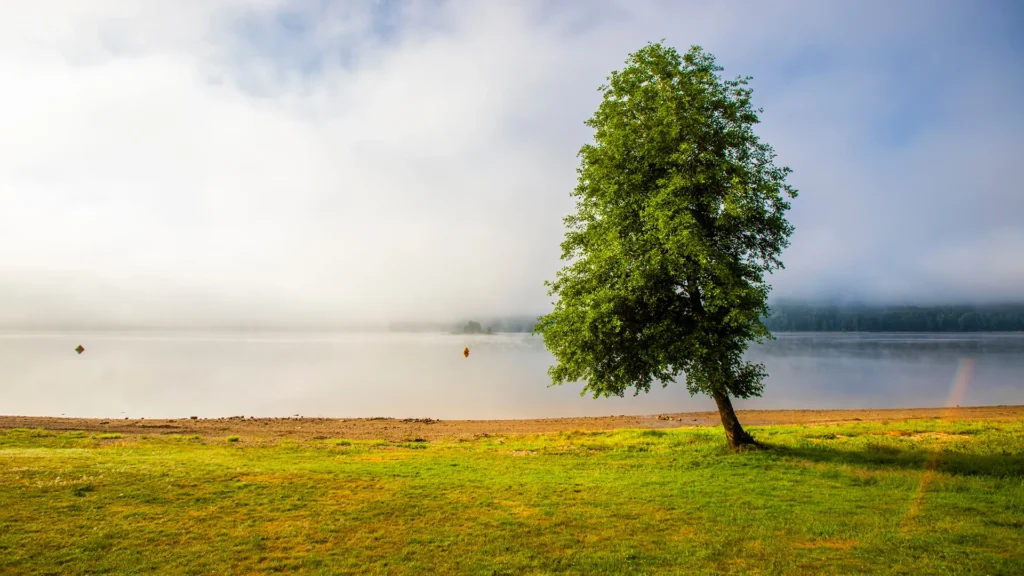
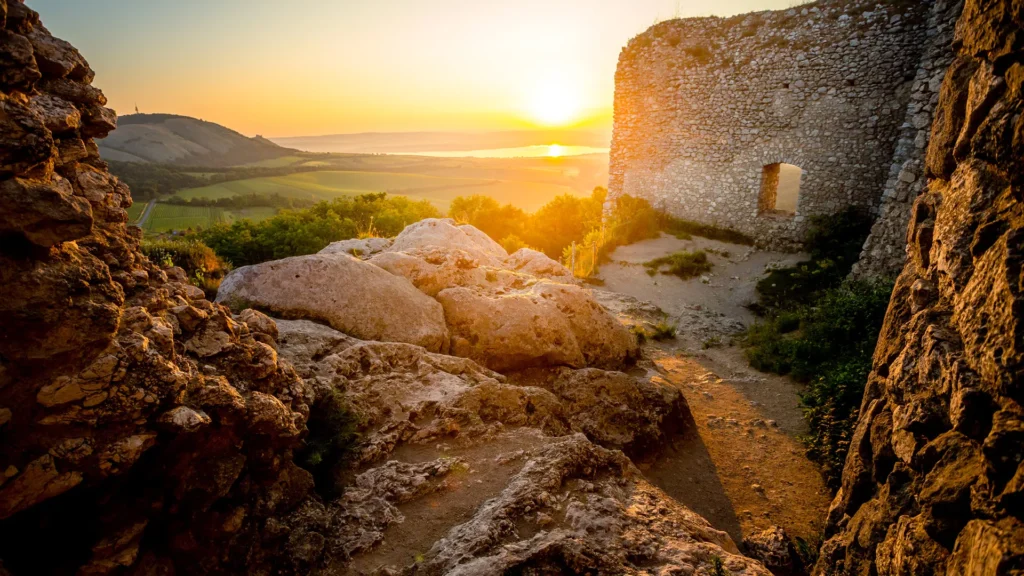
Morning Light over the Water

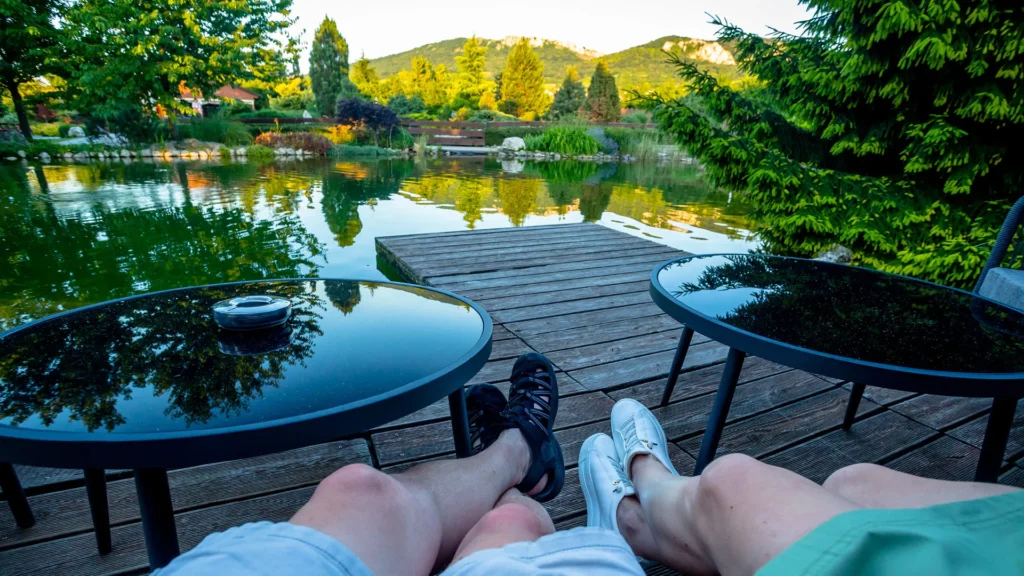
The surface is as calm as a mirror, a light mist rises from the shore and the first rays of sunlight draw golden lines across the water. Water acts like a mirror, reflecting some of the sunlight back onto your skin, so even during a paddleboarding trip or a quiet morning of fishing, it makes sense to use light sunscreen, sunglasses with UV protection and a hat.

An outdoor breakfast, yoga on the lawn or an early morning swim can make the start of the day even more enjoyable. Morning sunlight feels soft and almost gentle – the perfect time to be outside, take a deep breath and enjoy the fresh air before the day fully comes to life.

What to photograph in the morning:

Reflections on the water – calm water acts like a mirror.
Try using symmetry and place the horizon exactly in the centre of the frame.

A silhouette on the pier – position a person against the light, slightly underexpose the image and let the outline stand out.

Close-up details – drops of morning dew on the grass, the texture of the wooden pier or a cup of morning coffee on the terrace.
When Shade Becomes a Luxury

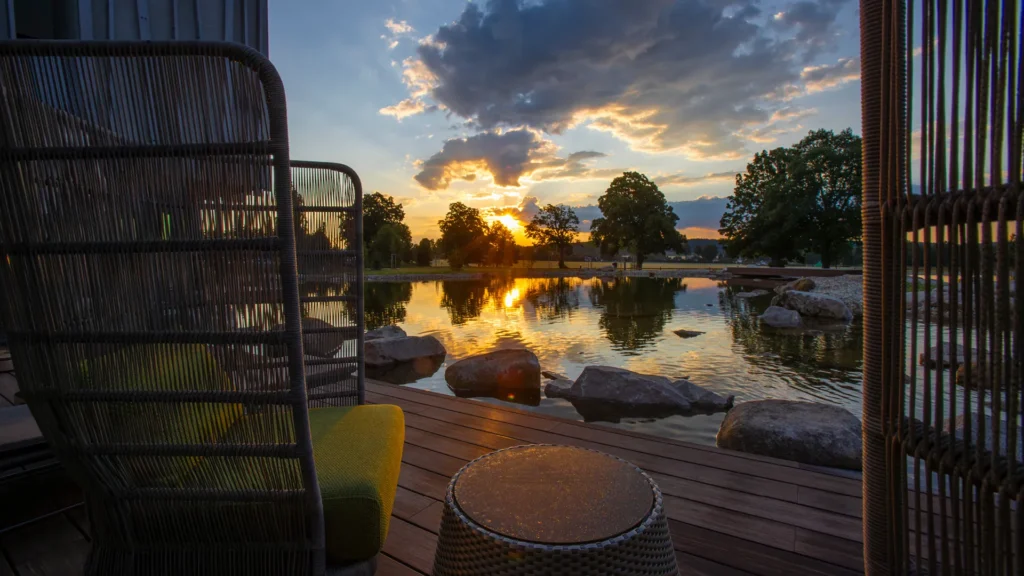
Around midday, the atmosphere changes. The sun is high in the sky and its rays fall almost directly onto the ground and the surface of the water.

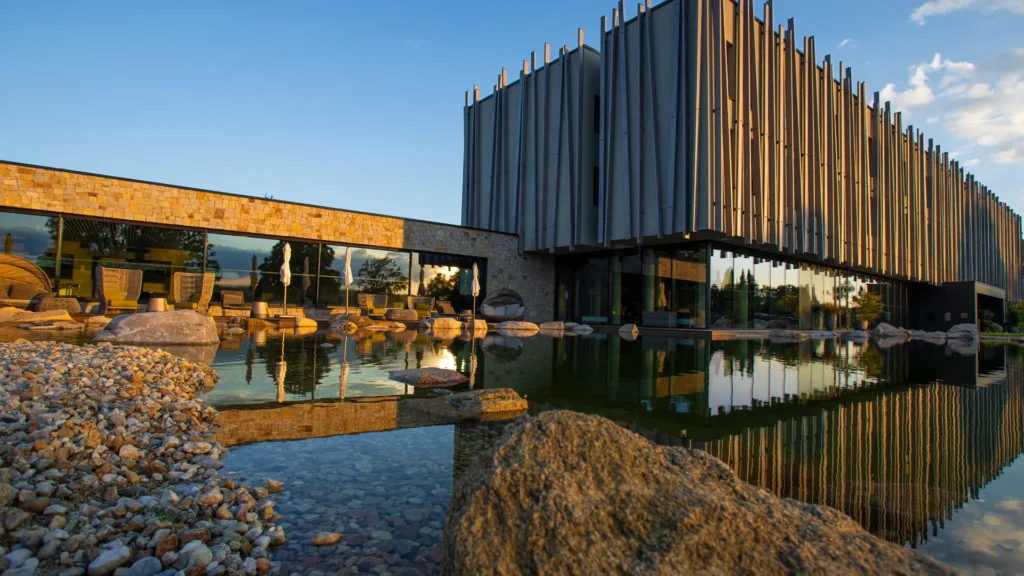
There is a simple rule of thumb: when your shadow is shorter than you are, it is a good time to move beneath a tree, pergola or parasol. Modern resort spaces such as Amenity Hotel & Resort Czech Canada incorporate shade as part of their design. Pergolas, fabric canopies above sun loungers and the natural shade of mature trees create pleasant places where you can spend time even during the hottest part of the day.

Midday sunlight has its own strength and character. When you respect it, it rewards you with vivid colours in the landscape, rich greens in the forests surrounding the water and a deep blue surface that can look almost hypnotic in full sunlight.

What to photograph at midday:

The play of light and shadow – tree shadows across a pier or the lines of a pergola falling over a sun lounger.

Lifestyle details – sunglasses on a table, a book, a glass of water or the texture of a fabric parasol.

Shots from above – strong midday light can emphasise shapes, textures and colours.
Golden Hour

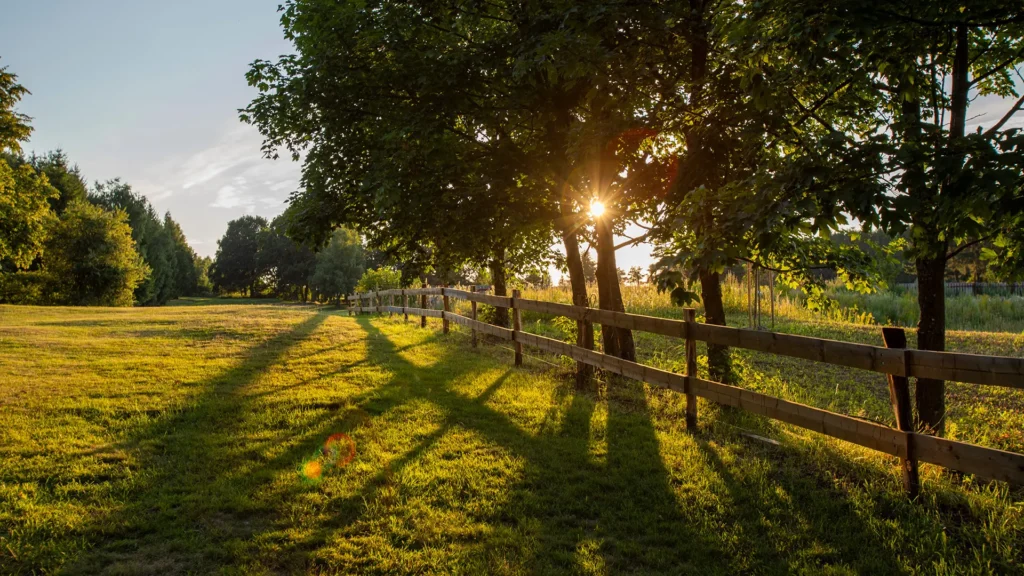
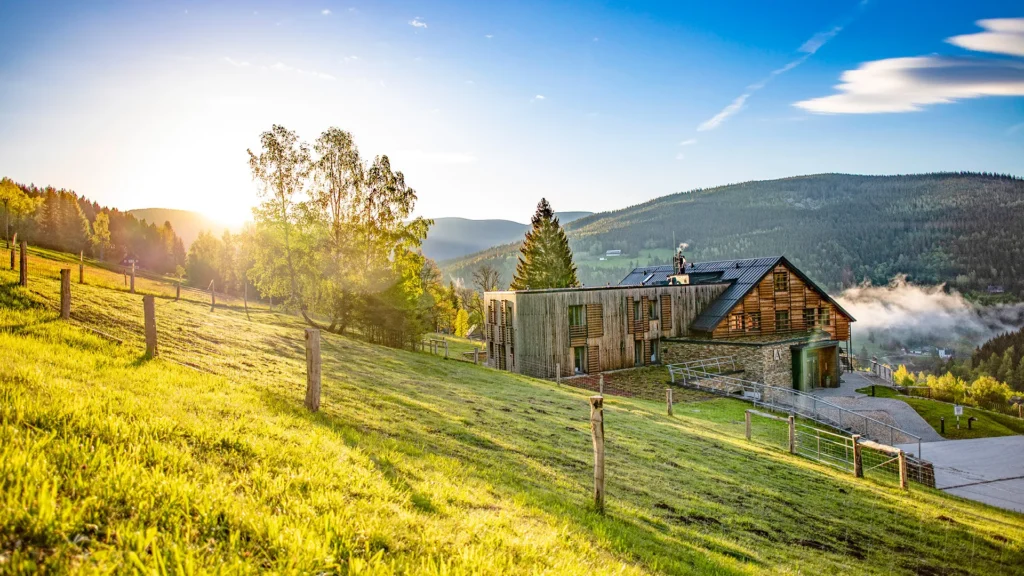
As the day begins to turn towards evening and the light becomes softer, the most photogenic part of the day arrives. The sun moves closer to the horizon, its rays travel through a thicker layer of the atmosphere and the light takes on a warmer, golden tone.

The softer, warmer light creates a natural sense of calm.

And then dusk arrives. The sky turns shades of pink and purple, lights begin to glow in the hotel rooms and everything gradually becomes quieter. Yet the energy of the day remains with us – in the warmth of our skin, in the pleasant tiredness after a day spent outdoors and in the feeling that we have been part of the summer landscape.

What to photograph in the evening:

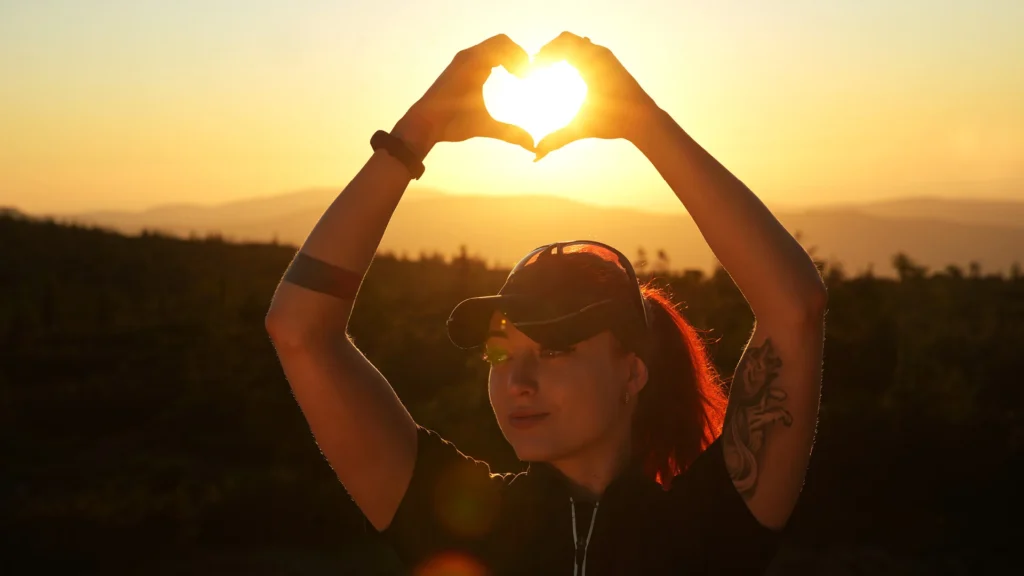
Backlit portraits – sunlight catching the hair and creating a soft halo effect.

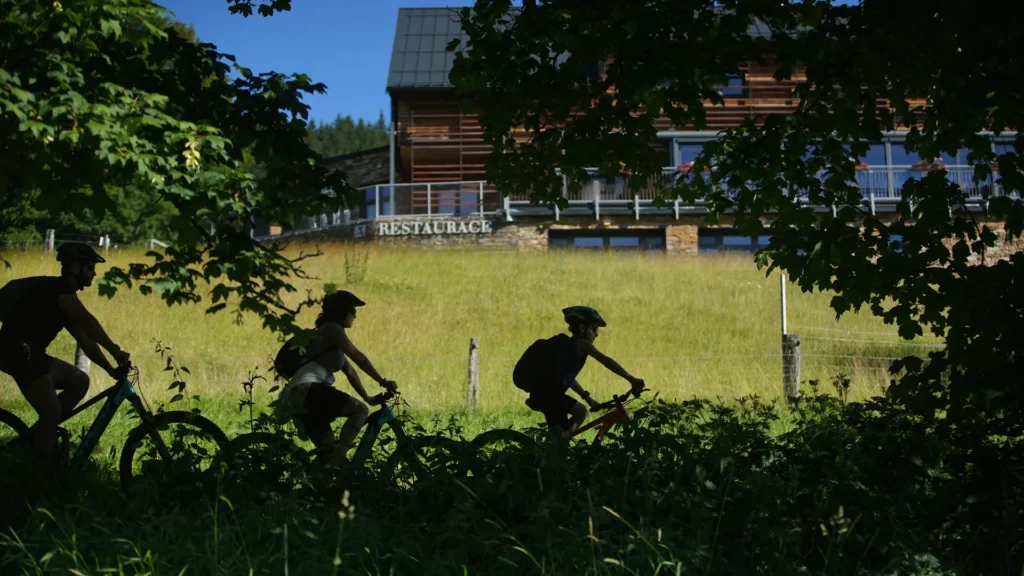
A kayak or boat against the setting sun – use the figure or boat as a silhouette against the water.

Wide landscape shots – evening skies often shift through shades of pink, orange and purple.
Frequently asked questions

When is the best time of day to take summer photographs?

Morning and late afternoon or early evening usually offer softer light and longer shadows. Golden hour, shortly after sunrise or before sunset, is particularly popular for landscapes and portraits because of its warmer, softer light.

What should I photograph in the morning?

Calm water is ideal for photographing reflections, symmetry and silhouettes. Morning dew, wooden details, breakfast on a terrace and mist rising above the water can also create atmospheric images.

How can I photograph reflections on water?

Look for calm water with minimal wind. Try placing the horizon in the centre of the image to create strong symmetry between the landscape and its reflection.

What can I photograph in strong midday sunlight?

Midday light works well for graphic compositions, strong colours, textures and the contrast between light and shadow. Look for patterns created by trees, pergolas, parasols and other architectural elements.

Why is golden hour good for photography?

When the sun is low above the horizon, the light becomes softer and warmer. This can create flattering portraits, long shadows, silhouettes and more atmospheric landscape photographs.

How do I photograph a silhouette?

Position the person or object between the camera and the brightest part of the sky or sunset. Expose for the brighter background so that the subject becomes darker and its outline stands out.

What is backlighting in photography?

Backlighting means photographing a subject with the main light source behind it. In portraits, it can illuminate the edges of hair and create a soft halo effect.

What should I photograph during golden hour?

Golden hour is ideal for portraits, landscapes, silhouettes on the water, boats, kayaks and wide shots of the sky as its colours gradually change towards sunset.

Should I use sun protection near water?

Yes. Water can reflect sunlight, increasing your overall exposure to UV radiation. Sunscreen, UV-protective sunglasses, appropriate clothing and shade are sensible precautions when spending time outdoors near water.