


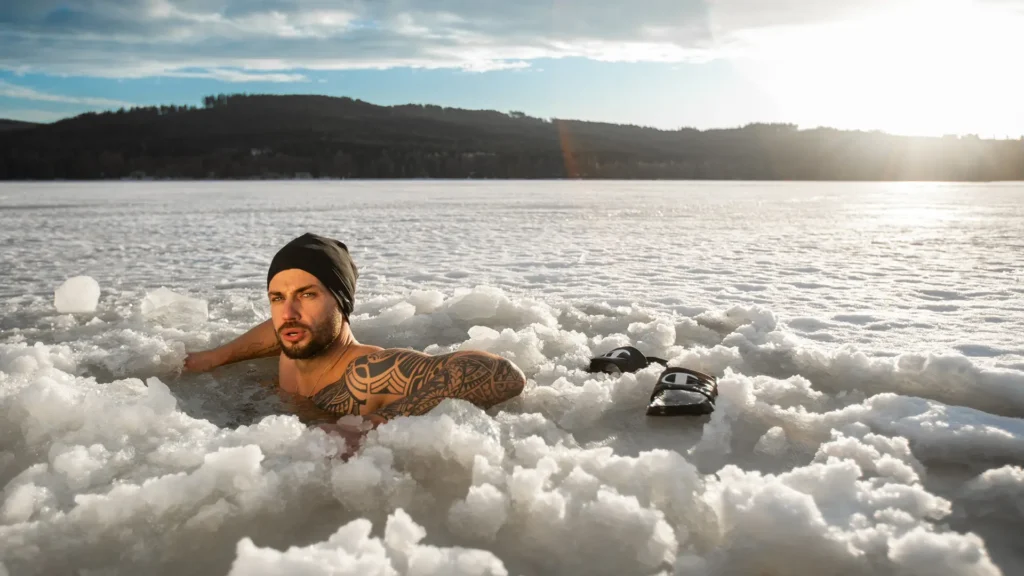
There is something strangely liberating about the moment your body meets cold water. The first breath, a brief hesitation, and then that familiar feeling when the world suddenly shrinks to just you, the water and your breathing. Cold exposure is no longer something reserved for a handful of enthusiasts gathering by a river in January. It has become part of modern wellness – much like a sauna, massage or a morning walk without your phone.
And if you are only just thinking about trying it, we have good news: you don’t have to wait for winter.
The best time to start? Maybe right now
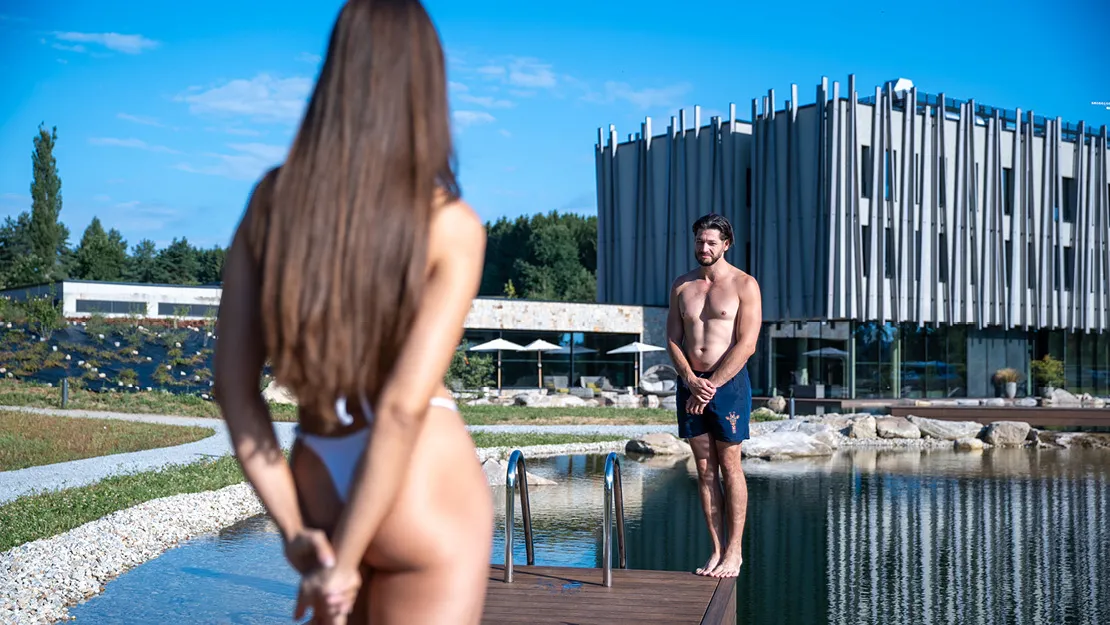
The idea that a true cold-water enthusiast only starts when the thermometer reaches zero is a little misleading. For a body that is only beginning to get used to the cold, starting during the warmer part of the year can be a much gentler way to allow time for gradual adaptation.
You do not need to plunge straight into ice-cold water. Start with a brief period of cooler water at the end of your usual shower. Gradually, you can add a few seconds, try a lower water temperature and, above all, pay attention to how you feel.
The goal is not to break your own record. It is about finding a level that feels challenging, but not punishing.
As autumn arrives, cooler water can gradually become a natural part of your routine. And if this small daily ritual becomes something you enjoy, winter may no longer feel like an unpleasant surprise, but simply the next chapter.
It’s not about performance. It’s about how it feels.
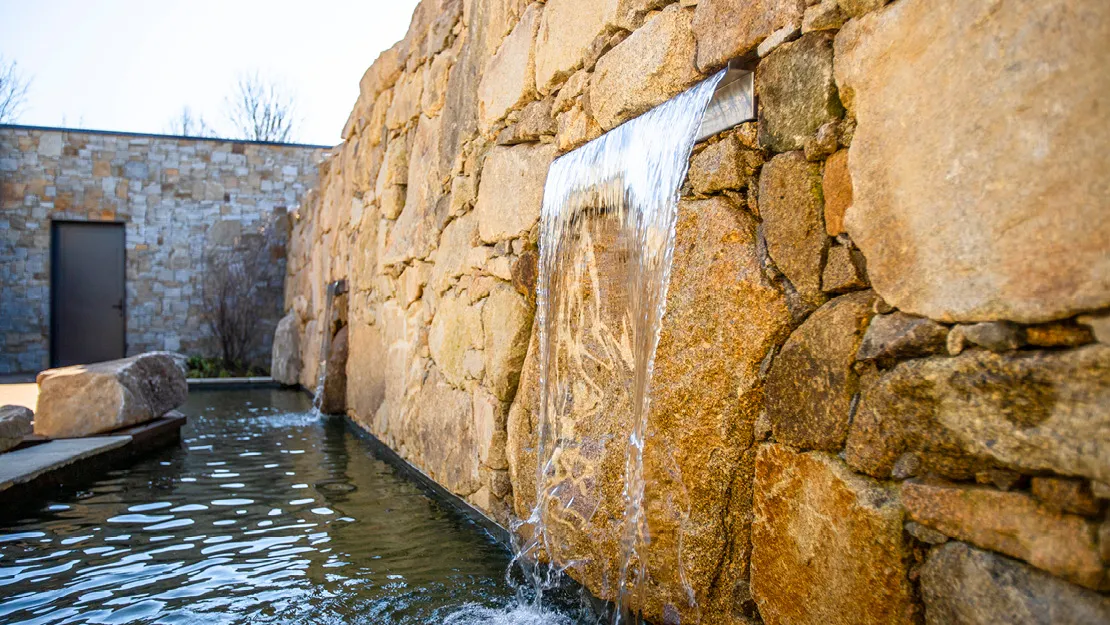
Cold exposure has one interesting quality: it can bring you back into the present moment very quickly.
When you step into cold water, there is suddenly very little room to think about a work email, the shopping list or what you are going to do later. There is only your breath, the water and your awareness of your own body.
Perhaps that is one reason why cold water has become part of contemporary wellness. It is simple. It does not require an hour of free time or complicated equipment. Sometimes all it takes is a few moments and a willingness to step outside your comfort zone.
And then comes the second, equally pleasant part: warming up, slowing down and allowing yourself to do nothing for a while.
A small wellness ritual you can try on holiday
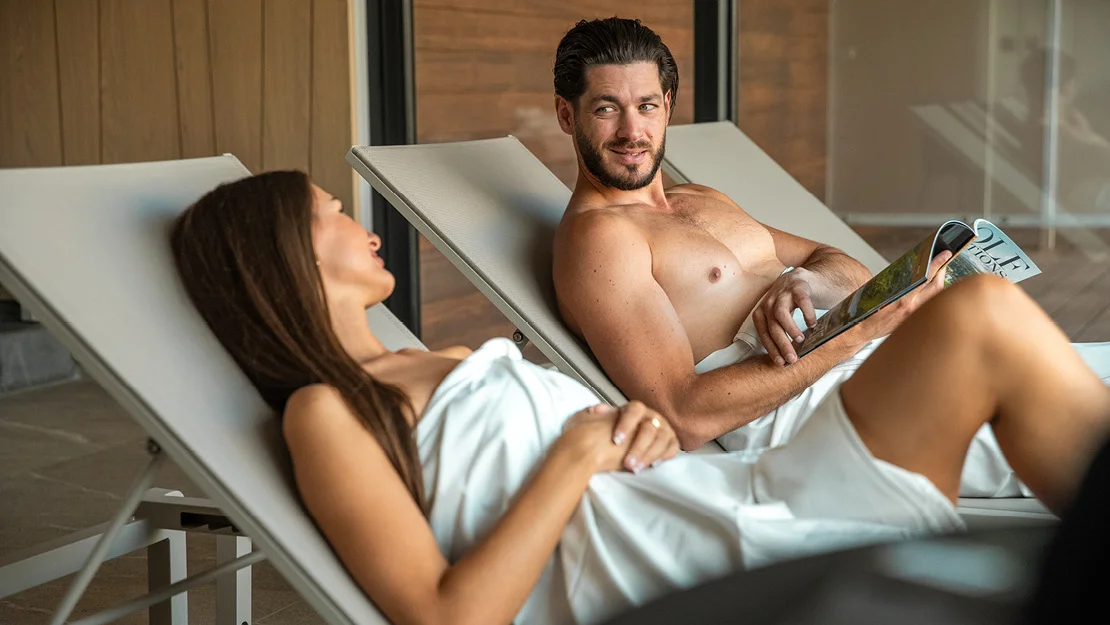
Alternating heat, cooling down and subsequent rest is a traditional part of sauna culture. A holiday can be the perfect opportunity to experience this ritual without rushing and without feeling the need to measure anything.
At Amenity Hotel & Resort Czech Canada, you can combine cold exposure with a complete wellness ritual. After spending time in the Finnish sauna, bio sauna or steam room, you can cool down in the outdoor cooling pool and then relax in the relaxation area.
No rush. No stopwatch. Nothing to prove.
During the warmer part of the year, you can simply step outside and let the natural surroundings of Czech Canada work their magic. Water, forests, cooler mornings and open space create an environment where slowing down comes naturally.
Suddenly, it is no longer just “cooling down after the sauna”.
It becomes a small escape from everyday life.
When is it time for your first cold-water experience?
When you feel like trying it – not when somebody tells you that you should.
Beginners should proceed slowly and without unnecessary bravado. A short period of contact with cold water can be completely sufficient at first. There is no need to stay in for one, two or five minutes simply because someone else can.
Cold water is a significant stimulus for the body, and sudden immersion can trigger what is known as a cold shock response. This can include a sharp increase in breathing rate and heart rate, together with a strong stress response.
Outdoor swimming also involves additional risks related to the environment, water temperature and possible hypothermia.
Caution is therefore more important than setting a personal record.
If you have cardiovascular or other health conditions, take medication, or are unsure whether cold-water exposure is suitable for you, consult your doctor beforehand.
Start simple
Your first experience with cold does not need to be dramatic.
You could, for example:
- briefly lower the water temperature at the end of your usual shower,
- start with a short cooling period rather than a long stay in cold water,
- enter the water gradually and focus on calm, controlled breathing,
- pay attention to how your body responds rather than watching the clock,
- allow your body time to warm up gradually and rest after cooling down.
There is no universal number of seconds or exact water temperature that is right for everyone. What feels pleasantly refreshing to one person may be too intense for another.
Cold exposure is not a competition.
And what if you discover that you enjoy it?
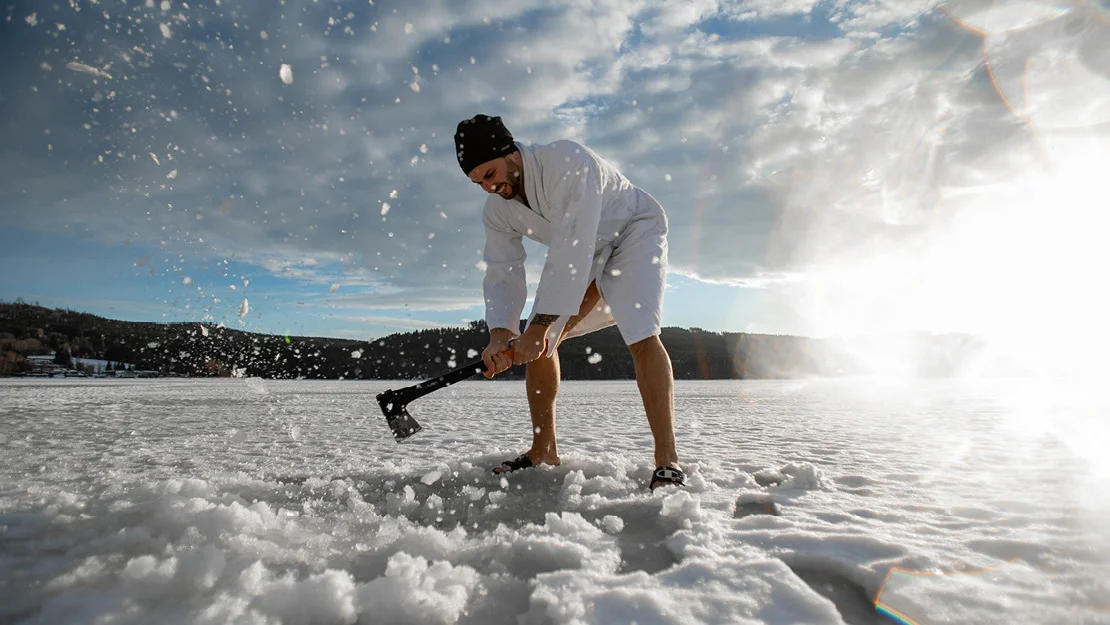
Then you can continue gradually.
A little summer cooling can become an autumn ritual, and an autumn ritual may eventually develop into an experience with winter cold. You do not need a strict plan or an exact date when you officially become a “cold-water enthusiast”.
Perhaps you will find that a cold shower suits you best.
Perhaps you will enjoy a short cooling session after the sauna.
Or perhaps you will discover that the best option is to combine cold, heat and subsequent rest into one complete wellness ritual during a weekend away.
That is the beauty of cold exposure. There is no single correct way to do it.
You don’t have to wait until December
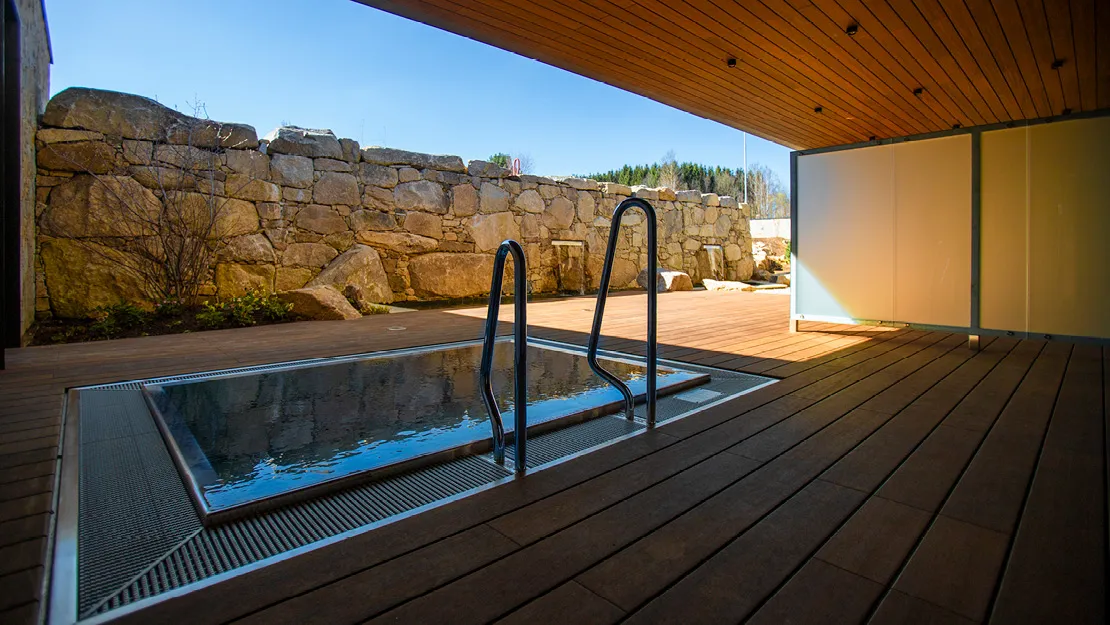
If the idea of cold water appeals to you, there is no reason to wait for the first snow. The warmer part of the year can actually be a pleasant time to gradually discover how your body responds to the cold.
Perhaps during a weekend in Czech Canada.
In the sauna, surrounded by nature and forests. Without the need to prove anything to anyone – including yourself.
Just remember that very first breath.